
Blue Skies Treatment Center provides outpatient treatment in Whittier for drug and alcohol addiction care. You attend treatment sessions while keeping up your daily routine. Each visit includes an intake review on symptoms, cravings, and progress. You attend therapy sessions that build coping skills and help you make safe choices. We also plan the next steps for long-term support.
Outpatient care gives structure for alcohol and drug recovery while you live at home. At Blue Skies Treatment, we plan outpatient treatment sessions around work hours and family needs. Appointments focus on recovery skills you can use between visits.
Many people start with medically supervised detox in a 6-bed program with 24/7 monitoring. Our outpatient program keeps staff close and response times short. A doctor reviews withdrawal signs, sleep, appetite, and risk during each medical visit. If medication helps, we check how it works in daily life and refine the plan over time.
After detox, outpatient care keeps contact consistent through counseling, group work, and medication support. We also map community resources, sober supports, and follow-up referrals. Our team provides safe medication storage tips at home, away from kids and visitors.

Many people start with medically supervised detox in a 6-bed program with 24/7 monitoring. Our outpatient program keeps staff close and response times short. A doctor reviews withdrawal signs, sleep, appetite, and risk during each medical visit. If medication helps, we check how it works in daily life and refine the plan over time.
After detox, outpatient care keeps contact consistent through counseling, group work, and medication support. We also map community resources, sober supports, and follow-up referrals. Our team provides safe medication storage tips at home, away from kids and visitors.
Medically supervised outpatient care adds medical oversight while you attend sessions in Whittier. Our team monitors blood pressure, pulse, sleep, and withdrawal discomfort. Then updates care when risk rises. You can ask about medications, side effects, and mixing risks, and a doctor will answer all your concerns.
At Blue Skies Treatment Center, we pair medical support with counseling. It helps to treat both physical health and behavior. We also plan higher support options if symptoms rise, cravings return, or mental health concerns increase.
Blue Skies Treatment serves adults who need Outpatient Treatment in Whittier. Our outpatient treatment program matches a weekly schedule. Some clients live in a stable home and can manage basic safety steps after sessions. Others need extra accountability, health screening, and support with early recovery decisions. It also suits people who prefer privacy while working on substance use each week.
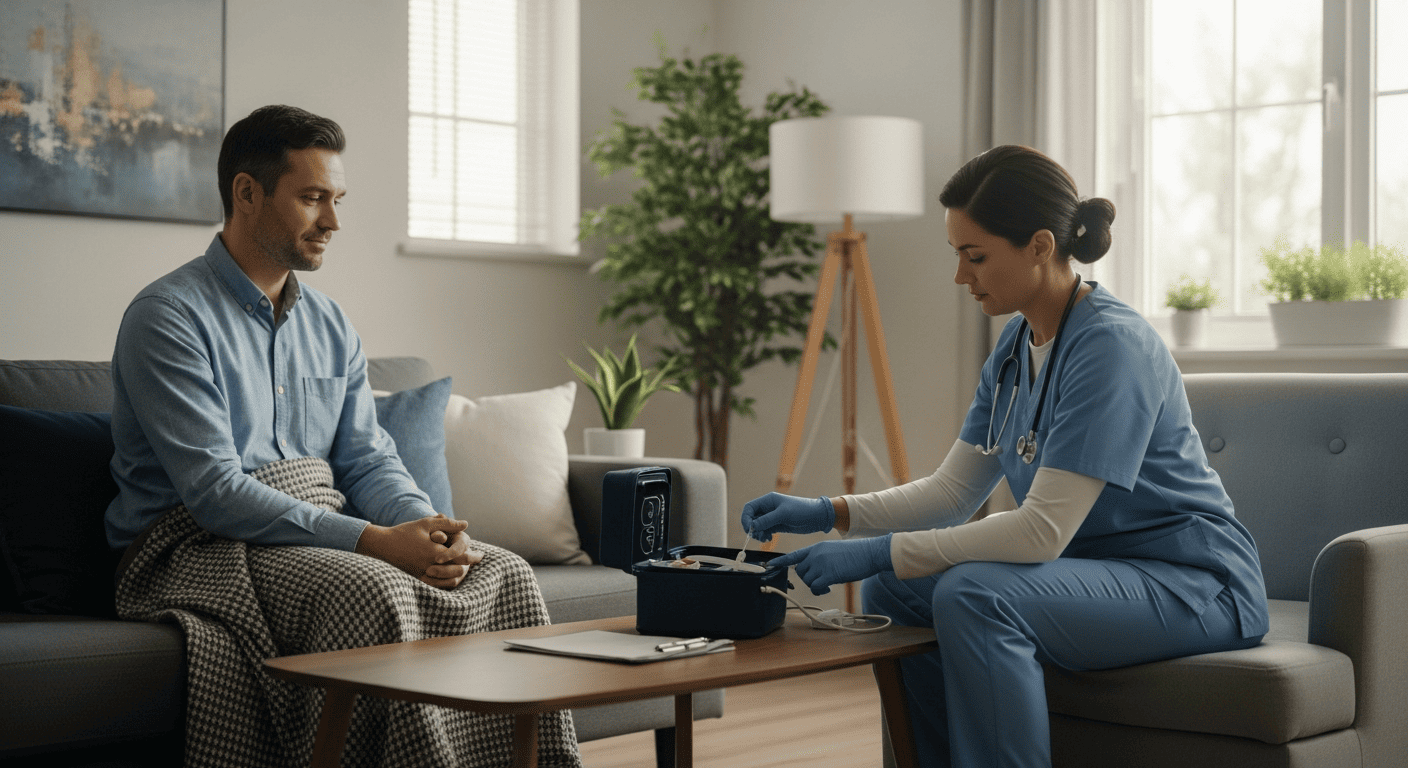
At our center, we offer several care levels so you can start at a level that fits your needs. Some people need detox first. Others start with therapy while they live at home. Medication may support cravings, sleep, or mood when a doctor approves it. Each level builds steps you can use during the week and adjust as your recovery changes.
The therapies we provide for outpatient treatment in Whittier support recovery more than medical visits. Therapy sessions give you a place to talk, listen, and practice new skills.
We keep private meetings, small groups, and psychoeducation to support early recovery. Each option addresses a different need, so care matches what you face during the week after each appointment.x
Individual therapy gives you private time with a therapist. You can share your stress points, worries, and cravings without exposure. The therapist listens and helps you manage hard moments with healthier responses. These sessions can support early recovery as you move forward in care.
Group sessions bring you together with others on the recovery path. A counselor leads the meeting and keeps it respectful. You can share, listen, or stay quiet until you feel ready to be involved. Many people gain support from hearing how others manage similar struggles.
Psychoeducation gives practical information about addiction and recovery. Our staff analyzes how substances affect health and how high-risk moments can show up later. These education sessions help you recognize warning signs and prepare for the next steps after early care.
Alcohol use can affect sleep, mood, focus, and physical health over time. Some people notice tremors, nausea, or anxiety after quitting. Outpatient care targets urges, daily habits, and health problems linked to alcohol use.
Cocaine use can raise heart rate and affect focus and decision-making. As the drug leaves the body, people may feel tired, sad, or irritable. Our team focuses on impulse control, energy balance, and reducing return to use between visits.
Heroin use often leads to strong cravings and body discomfort when use stops. Outpatient care supports stability through monitoring, counseling, and structure. It also focuses on safety risks associated with opioid use.
Opioid use can make a person need more pills to feel the same effect. People may start taking opioids after an injury to get relief from pain. When they stop using painkillers, they can feel sick and restless.
Some people also notice constipation, sleep problems, or mood swings. Outpatient care helps reduce urges, build safer pain coping steps, and lower the risk of return to use.
Methamphetamine use may affect sleep, appetite, and thinking. People may feel restless or low after stopping. Outpatient care focuses on routine repair, skills training, and relapse prevention.
Some people use benzodiazepines to sleep or feel calm. Over time, the body can become dependent on it. When a person stops suddenly, withdrawal can feel intense and unsafe. We support safe medication changes and teach coping skills for anxiety and sleep.
Inhalant use can harm the brain and lungs over time. Short effects may hide long-term damage. Treatment focuses on stopping use, health education, and the development of safe coping skills.
Stimulant use can keep the body awake even when it needs rest. A person may skip meals, talk abruptly, or feel on edge. As the effect wanes, energy can drop, and mood can be disrupted. Outpatient care helps reduce use and plan safer ways to handle work pressure and focus.
Outpatient recovery works better when care also supports mental health symptoms. Anxiety, depression, and trauma reactions can increase cravings and reduce follow-through. Many programs check mood and sleep at intake, then revisit them in later visits. Our treatment process also tracks how stress, grief, or anger affects choices during the week.
Therapy helps people name triggers and practice healthier responses. Our team reviews meds for mood or sleep and monitors for side effects. Group sessions can build communication, social support, and relapse-prevention skills. Some programs create a safety plan for warning signs and crisis steps. If a person reports suicidal thoughts or severe mood swings, the team arranges urgent mental health care.
IOP often uses more hours per week, reducing visit time as stability improves. The plan keeps core supports in place, like counseling sessions and group time, while you practice skills in real life.
You review which hours pose the greatest risk, then adjust your work, school, and social plans around them. If setbacks occur, the team can increase visit frequency to provide additional structure.
Daily life support at Blue Skies Treatment Center starts before you leave detox. Our team reviews your next care option and helps line up the next appointment so care keeps moving. We also talk through common day-to-day problems, such as stress at home, missed sleep, and cravings.
Our 6-bed center lets us give each person more attention during early recovery. Privacy helps you take care of your health without outside pressure. Before discharge, we review your aftercare plan and discuss options such as outpatient counseling, support groups, or sober living, based on your needs.

Outpatient care can work when you can stay safe between visits and follow a care plan. It may also be a good fit when you have stable housing and support. If you face severe withdrawal risk or unsafe use, ask about a higher level of care.
Visit frequency depends on substance type, recent use, and current risk. Some people attend a few times per week. Others need more frequent support at the start, then fewer visits as stability improves.
Yes. Treatment providers protect privacy under health privacy rules. You choose who receives information, except for limited safety or legal requirements.
Some programs offer remote sessions for certain visits. Rules can change based on clinical need and licensing limits. Ask what services work remotely and what services require an in-person visit.
Bring a photo ID, an insurance card (if you have one), and a list of medications with doses. Bring any recent discharge paperwork from detox or another program. Write down your questions so you do not forget them.
Contact the center as soon as possible. Staff can reschedule and review what caused the missed visit. If risk increases, they may add extra support or adjust your visit plan.
Some people want family involvement for support and accountability. Programs may offer family sessions or allow a loved one to join part of a visit when appropriate. You control who participates and what you share.